
Colic Relief: Dr Brown saved my life
Babies cry as a way of communicating their needs. Being a new parent it is perfectly normal to go through a routine to try and find out what the problem is. Are they are hungry? Do they need a nappy change? Are cold or even bored?
If a baby is crying because of colic you will soon know about it. Some babies may only be a bit grumpy and restless. Badly affected babies will cry inconsolably. None of your normal checklist will apply here.
There will be no obvious cause for the upset and it can be frightening for new parents with no prior knowledge of raising children.
Colic is very common in newborn babies, though experts can’t seem to find any one cause or any treatment. It normally starts in the first weeks following birth and lasts around three months. Wind and digestion are the suspected problems. Your tiny baby is using their brand new digestive system for the very first time in the great outdoors.
Colic crying is usually high pitched. A common sign to look for is the baby bringing their knees up into their stomach, and beating their little fists about.
They will scream and cry, getting very red in the face and their eyes are likely to be closed and scrunched up.
Colic is not harmful but it is a very distressing time for the baby and parents. The crying mainly starts in the early evening and may last well into the early hours.
Sickness, diarrhoea and raised temperature are not associated with colic. If your baby has any of these as well then get medical attention quickly.
If the colic episodes are getting you down remember that at worst it will be over in three months. Call it 12 weeks it seems a bit shorter.
Looking after a baby with colic is a challenge. You will probably be tired from many nights of missed sleep, and if you are a single parent the whole thing adds up to torture. If you feel you are starting to get towards breaking point call in a friend or relative to help you out if possible. If you are starting to get angry, lay the baby down in its cot and retreat to another room for a while just to regroup your thoughts and calm down. This does not make you a bad person but a better parent.
Methods parents use to ease colic
Breastfeeding
If you are breastfeeding then get advice from your midwife. She can check your technique to make sure the baby is feeding properly and getting at all of the milk.
Swaddling
The gentle pressure of the swaddling is said to reduce the amount of crying and can help with colic. We recommend babies being closely supervised whilst being swaddled.

Tippitoes out and about swaddling Star Wrap
http://www.tippitoes.com/
Air
Watch the baby swallowing air and always bring up their wind. If you bottle feed, tilt the bottle so the whole teat is filled with milk.
Formula
If you bottle feed, then check with your midwife about which brand of formula milk you use. Some brands have a thinner consistency to other brands and are more similar to breast milk.
Movement
When the crying, starts walk around with the baby. Gently rock them. Be wary about taking them out for a late drive as this may cause difficulty when trying to establish later sleep routines. The baby may only settle to sleep with a 30-mile car drive. Try gentle bouncing in your arms as this will also help to bring up trapped wind.
Noise
Try white noise such as a washing machine or background noise like a television. Try distracting them with singing or talking. You don’t have to be a great singer. Songs from the football terraces will do.
Bucket Baths
Bucket baths have been said to reduce colic. Instead of bathing them in a normal baby bath, try a baby bucket, or even a bucket from the pound shop. Babies will sit into a foetal position and the surrounding pressure of the water may help.
Dummy
Try your baby with a dummy or let them suck one of your fingers. This will distract them, and if they are a baby who loves to suck, it will comfort them.
Infacol
Infacol is supposed to relieve colic and griping pain. It also helps the baby to bring up wind. It is suitable to use from birth and has a really easy to use dropper so you don’t need to use spoons. Always read the label.

Baby massage
Baby massage has been successfully used to treat colicky babies. Many health centres offer very cheap courses. Get your name down quickly as they are popular. The techniques you learn will help you calm a colicky baby as well as provide great mother and baby bonding time.
Cranial Osteopathy
This is a technique used on babies to release the stresses caused by childbirth. It has been used effectively to reduce the symptoms of colic, especially where babies have had a difficult birth experience.
Dr Brown’s Bottles
Dr Brown’s bottles are the best bottles to use whether a baby has colic or not. They have a unique air flow system, which stops a baby from swallowing air. These bottles really do work and are worth getting. Highly recommended. Dr Brown saved our lives.
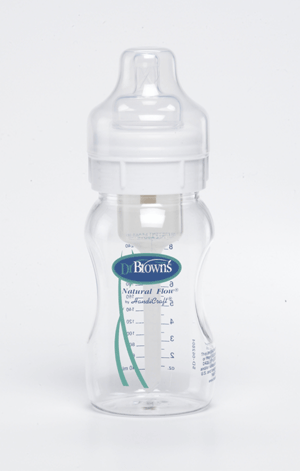
http://www.drbrowns.co.uk/