
Children’s Storybooks Introducing Youngsters to Neurodiverse Conditions Such As Autism, Aspergers, Dyslexia and Sensory Processing Disorder
Neurodiversity is what gives colour to the world. And, here to help youngsters and siblings embrace and love their ‘superpowers’ are a range of great books for children to help them better understand their lives.
Dyslexia, Attention Deficit Disorder, Attention Deficit Hyperactivity Disorder, Sensory Processing Disorder, Autistic Spectrum Disorder (ASD), Aspergers, Dyspraxia, Dyscalculia and Dysgraphia, are some of the conditions forming neurodiversity. This means people with these conditions have brains wired slightly differently to neurotypicals (everyone who is ‘normal’) and affects the way they understand, perceive and sense the chaotic world around them.
Contrary to the rantings of the Daily Mail website commentators, these conditions are difficult to obtain a diagnosis for and are not merely sought after labels for disability benefits. Nor are they caused by poor parenting, bad behaviour, laziness, over indulging children, too many computer games and poorly set boundaries.
Dyspraxia for example, affects planning, movement and coordination. Attention Deficit Disorder may make a child appear not to be listening or concentrating, add in the hyperactivity and there’s the ‘naughty’ child who can’t sit still, follow rules and is always in trouble.
One very common effect every one of these conditions can cause is school refusal. So, praise be to the authors of these stories for integrating this and other difficult school situations into these stories. Thousands of parents across the UK dread term time mornings with Mondays being the worst.
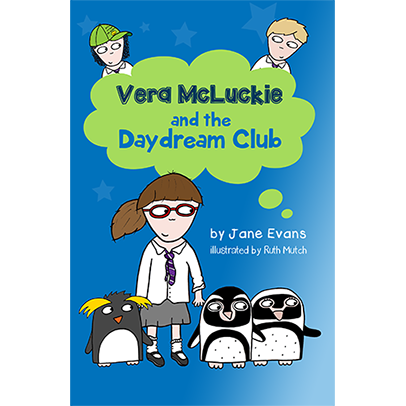
Jane Evans devotes the entire first chapter of Vera McLuckie and the Daydream Club to the main character’s complete reluctance to go to school. Vera hates school. She struggles with school, struggles with sensory processing difficulties, struggles with attention and though she loves learning, she finds her school day frightening and tiring. She’s a believable character that parents and children reading the book will be able to relate to. In fact, as well as being a character youngsters with conditions such as ASD can understand, it’s also helpful for parents new to the idea of supporting their child in school due to the details it goes into.
It’s probably best for children aged six years upwards to read with a parent as well as older children to read independently up to around age 11. £6.99 paperback. Dyslexia friendly font.
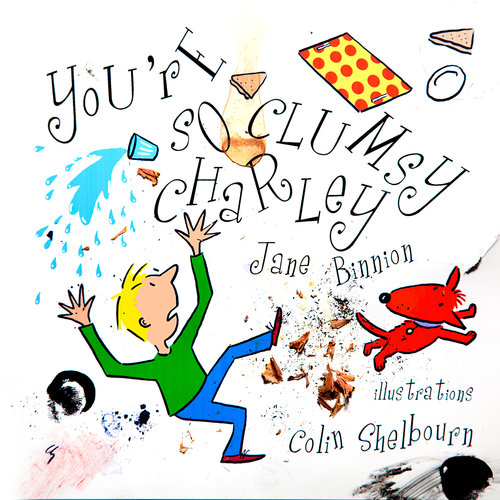
You’re So Clumsy Charley, is a lovely picture book about an under confident child with dyspraxia learning to find his place in the world. It starts off with simple black and white line drawings until he meets creative Aunt Bella and her accident prone friends. Then, Charley’s world begins to fill with bright colours.
This is great for supporting younger children who know they are different and feeling stressed and frustrated at not being able to achieve at even sipping a drink without sending it flying across the room. Charley’s diagnosis is not specifically mentioned in the story but if you have a Charley yourself, you will recognise the symptoms and so will they. Ideal for 5 to 8 year olds. £8.99 Paperback. Dyslexia friendly font.
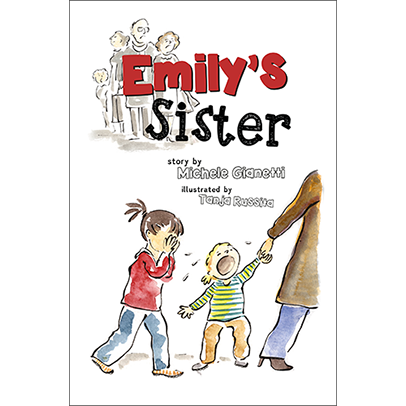
Emily’s Sister by Michele Gianetti and Tanja Russita, is one for the siblings. Emily worries about her little sister. Younger sibling Elizabeth cries a lot, gets stressed about putting on shoes and socks and everyone in the shops stares at them when she goes into meltdown. Eventually, Emily’s concerns grow when she notices her sister just can’t manage to do what other children her age can. She worries enough to start asking her mum questions and discovers her sister has Sensory Processing Disorder and Dyspraxia.
This book is really helpful for giving siblings a safe way in to asking questions and starting to understand their brother or sister and why they take up so much of mum’s time. It’s great to read with children aged from around 6 to 9 years of age. £6.99 Paperback. Dyslexia Friendly Font.
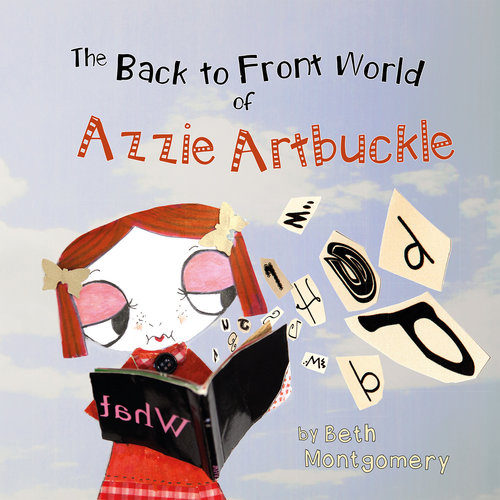
Dyslexia is very common and yet children struggle through years of education before suspicious parents manage to scrape together a good half a grand for a private Ed Psych Assessment. Dyslexia has a profound impact on a child’s ability to read, write and progress in our conveyor belt education system. There appears to be a shocking reluctance from teachers willing to stick their neck out and use the word. This is awful considering many children will wade through school life like Azzie, feeling stupid, stressed and hopeless.
The Back to Front World of Azzie Artbuckle by Beth Montgomery, is a picture book about a creative child who loves art and design, but hates coming to school because she can’t read. Azzie talks about her worries and fears in a book that will click with other Dyslexic children. By the end of the story, Azzie totally rocks her dyslexia, using it as a positive thing that is unique to her. £6.99 Paperback. Dyslexia friendly font.
All published by Your Stories Matter and available from Amazon or www.yourstoriesmatter.org